

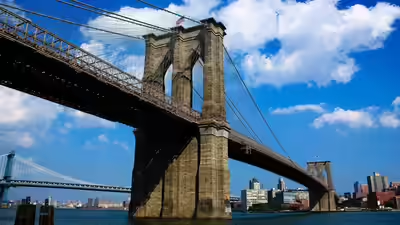
Beneath the Brooklyn Bridge, a stretch of sealed-off rooms, long closed to the public, has unexpectedly become part of New York City’s latest budget fight. City Council members are now proposing to lease out these hidden vaults to raise revenue, pitching the idea as a way to plug a multibillion-dollar gap without raising taxes, in direct contrast to Mayor Zohran Mamdani’s approach.
A hidden asset beneath the bridge
The spaces in question sit within the bridge’s stone anchorages, a network of vaults and rooms spanning roughly 13,000 square feet. Once used for art exhibitions, they have largely remained closed since 2001 and are currently used as what officials have described as a “glorified parking garage” for city-owned vehicles.
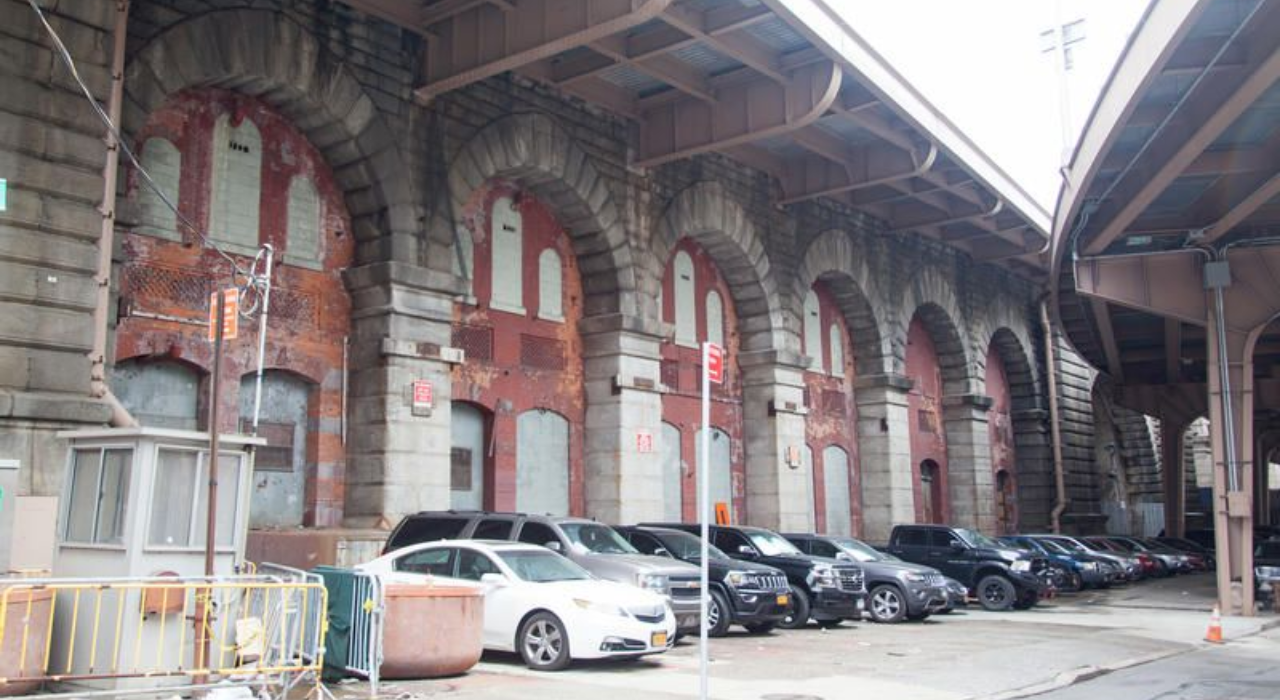
Image: untappedcities.com
Some of these vaults also carry historical layers: during the 1960s, parts of the space were prepared as nuclear fallout shelters. The council’s proposal would change that, turning the vaults into leasable units, potentially commercial, possibly mixed-use, to generate income from space that currently brings in none.
A $17 million idea, and a wider revenue push
The proposal forms part of a $127 billion alternative budget put forward by the New York City Council on 1 April, positioned directly against Mayor Zohran Mamdani’s preliminary spending plan.Under the council’s estimates, leasing the Brooklyn Bridge vaults at average Manhattan rental rates could bring in approximately $17 million annually, with revenue potentially beginning as early as fiscal year 2027.
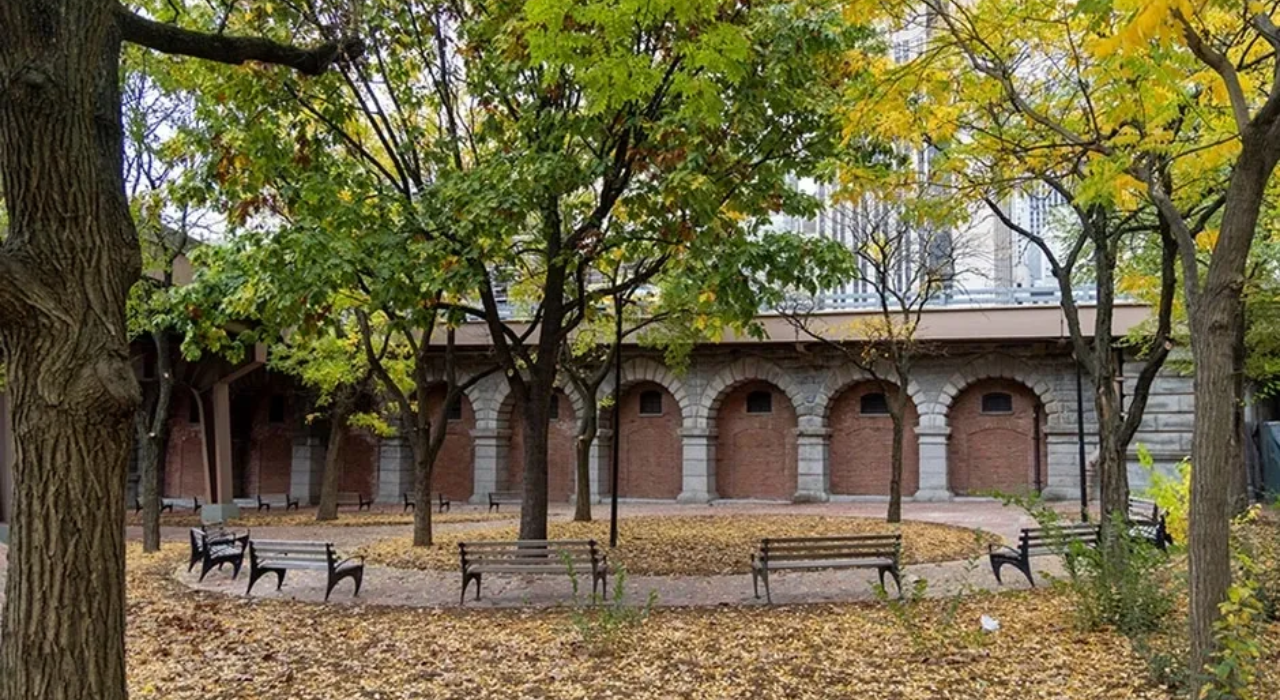
A portion of public park beneath the Brooklyn Bridge/ Image: gothampark
The idea sits within a broader package of so-called “revenue enhancements” totalling $529 million. Alongside the vault rentals, the council has proposed increasing docking fees at the city’s 15 marinas, rates that have not been raised since 2012, with the aim of generating about $1 million annually from yacht owners.It has also suggested expanding “destination concessions” in underused park spaces, including food halls, bars and seating areas, which could generate roughly $10 million a year. The city already operates around 400 such concessions, ranging from established venues like Tavern on the Green to smaller kiosks and food stands.
The politics behind the proposal
At the heart of the plan is a deeper disagreement over how to manage New York City’s finances.Mayor Mamdani has been grappling with a projected $6 billion budget shortfall and has floated a “tax the rich” approach, including potential tax increases on high-income residents earning over $1 million annually, homeowners, and profitable businesses, alongside drawing down reserves.The City Council, however, has positioned its plan as a direct alternative, arguing that the city can stabilise its finances without raising taxes, cutting services or dipping into emergency funds.
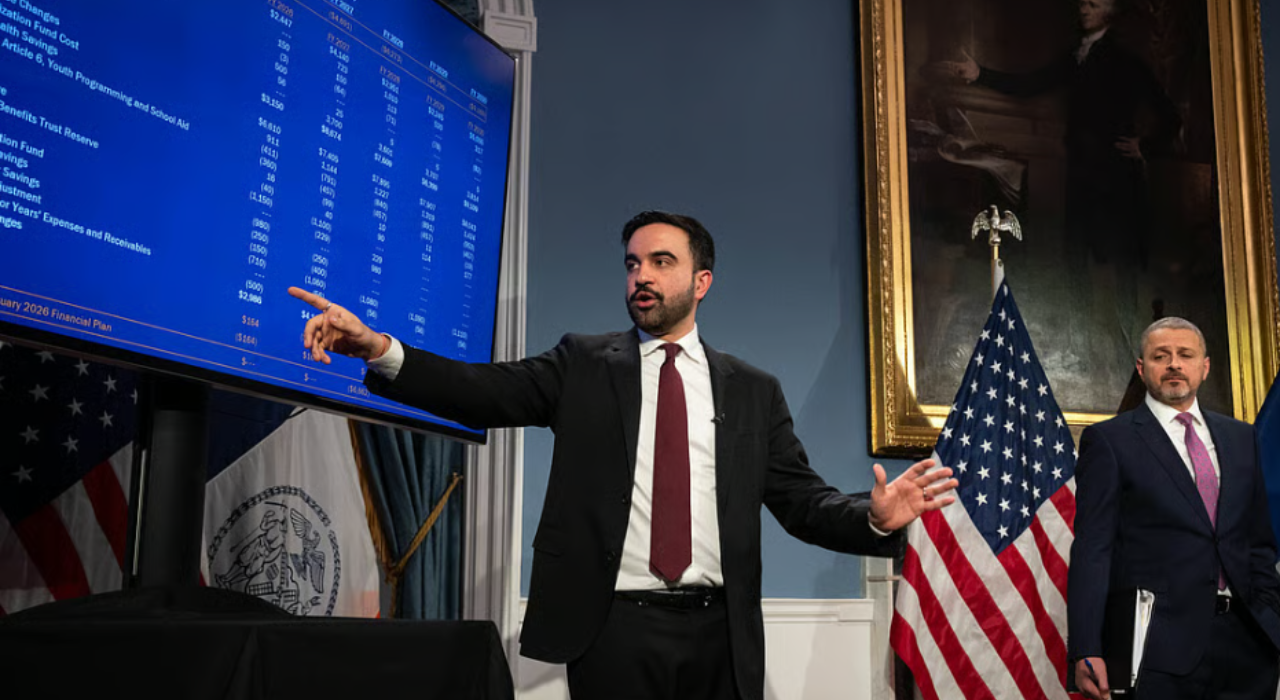
Zohran Mamdani proposes raising taxes on high earners, businesses and homeowners to close the budget gap/ Image: New York City Mayoral Photography office via The Daily Tribune
“The Council lays out an alternative path the City can follow, providing the necessary resources to fund all the spending priorities without having to resort to increasing taxes, reducing funding for critical services, or drawing down on reserves,” the council said in its official response. Council member Julie Menin, who has worked closely on the proposal, said: “We cannot in good conscience fund the City’s needs on the backs of homeowners or renters, by digging into emergency reserves, or by cutting essential programs.”She added that the council’s approach “puts the City back on stable footing and invests directly in New Yorkers.”
A broader plan to close the gap
Beyond new revenue streams, the council argues it has identified $3.5 billion through revised revenue projections and spending adjustments, including higher-than-expected income from construction permits and savings from unfilled city positions, along with an additional $2 billion in agency efficiencies.The proposal also seeks to restore funding to programmes that had been reduced or excluded in the mayor’s preliminary budget, including libraries, cultural institutions, City University of New York (CUNY) initiatives, and legal services for housing and domestic violence cases.It further outlines new investments such as expanding the Fair Fares programme to fully subsidise public transport for low-income residents and increasing college savings support for public school students.
What happens next
For now, the Brooklyn Bridge vault plan remains a proposal. It still needs approval and further planning before any leasing can begin. But it shows how far the city is going to find new revenue. Space closed for decades is now being seen as a way to bring in money, driven by the pressure of the budget.