

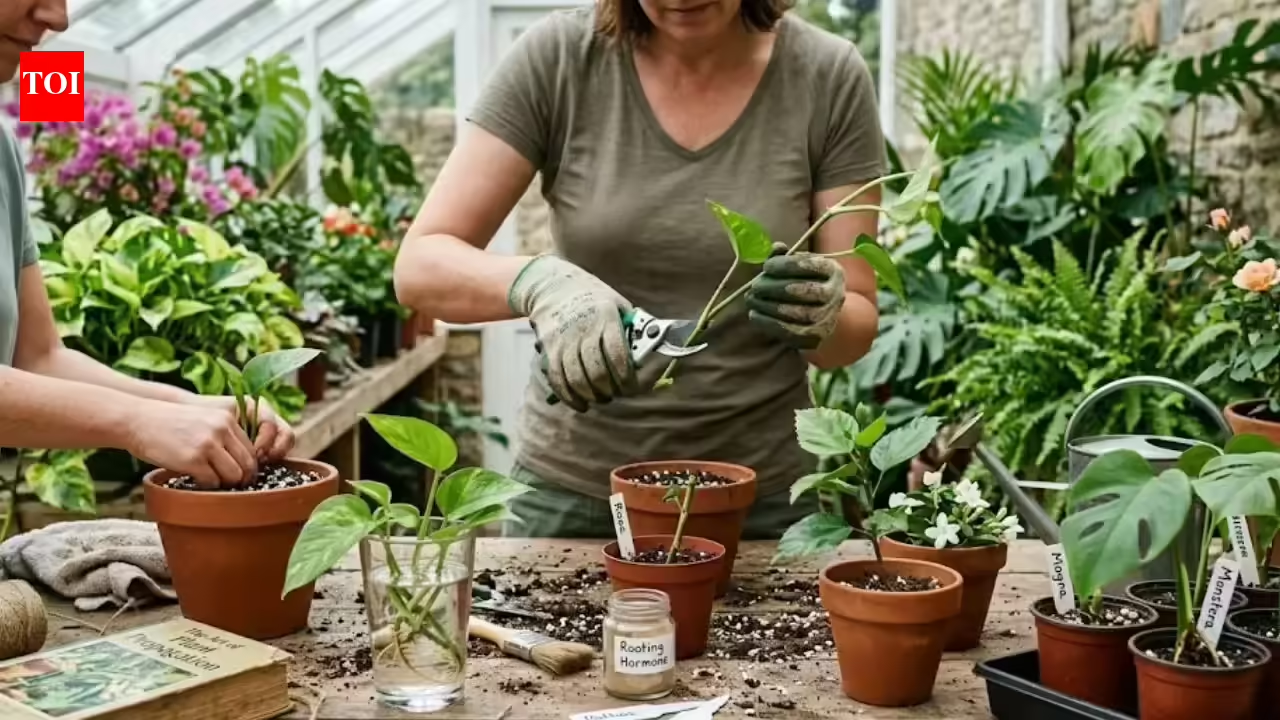
One of the most successful ways of propagating and cloning plants is by using stem cuttings. In addition, using stem cuttings is one of the most affordable propagation methods.Using stem cuttings is a vegetative propagation method where you take a piece of stem from a parent plant and encourage that stem to create new roots. This eliminates the uncertainty of germinating seeds and guarantees that the new plant will have the same genetic identity as its parent plant.Before propagating your plants using stem cuttings, you will need to understand the proper physiological needs of the specific plant you want to propagate. Temperature, humidity, and hormone levels are all important factors for successful propagation, regardless of whether you are propagating shrubs or delicate houseplants. Knowledge of the basic physiological needs of plants is crucial to achieving the highest level of success when propagating any type of plant.
What plants can you grow from a stem cutting
- Rose & Hibiscus (Gudhal): They grow well with the ‘slanted cut’ method, taking cuttings from branches right after they have flowered.
- Bougainvillaea: These tough plants can sprout even from old, brown stems as long as they are well-watered.
- Jasmine (Mogra): Fast to root in plain potting soil, and they smell wonderful.
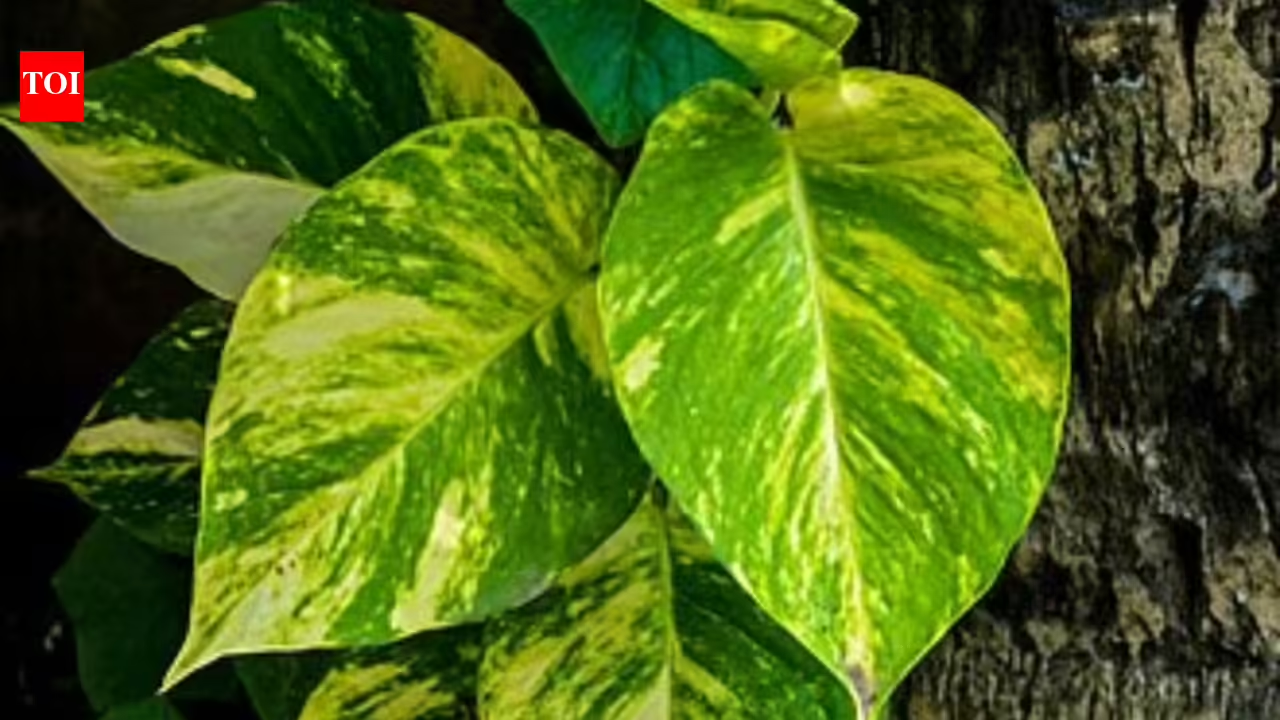
- Money Plant (Pothos): The easiest plant for a beginner, you can plant them in a simple glass of water on your desk.
- Snake Plant: It will develop roots if neglected and not watered.
- Monstera: Most of them have ‘air roots,’ or brown strings hanging from the stem. If your cutting has one, its growth rate will nearly double.
How to grow new plants from a single stem
A proven technique to propagate a plant is through cuttings. You’re taking the plant’s stem and creating a new (cloned) plant from it rather than waiting for seeds to germinate. The stem will already have leaves and be a healthy stem for rooting.Here are the 6 easy steps to follow when making cuttings:1. Select a healthy mother plant. This will be the plant that you take the cutting from. Look for a healthy, well-nourished plant. Look for one with a strong, leafy appearance that has not turned yellow or has spots on the leaves.2. Identify the node area of the mother plant. This is the most vital part of growing new plants through cuttings. The node is a small bump that you can find at the root of the leaf stalk where the new roots will grow.3. Make a clean 45-degree cut. To prepare the cutting, cut a piece of stem between 4 and 6 inches long at a 45-degree angle just below the node. When you cut your stem at a slant, it will produce more area for nutrient and water uptake when the new roots form.4. Remove all leaves from the bottom. Before putting your cutting into water or soil, remove all leaves. If you put your cutting in water or soil with the leaves still attached, they will rot and kill the cutting.5. Choose water or Soil for your cutting: To grow in water, place the stem of your cutting in a clean glass of water (ensure the node is submerged) and change water every few days.To grow in soil, create a small hole in moistened soft soil, and place the stem inside the Hole.6. Patience is key – Do not expose your cutting to direct sunlight at this stage – The cutting does not have roots to absorb water and will dry out if exposed to direct sunlight. Instead, keep cutting in a bright spot where it will receive indirect light.Expert tip – In 10-20 days, you will begin to see new white roots. Once the white roots have grown 1 inch in length, you may move the cutting to its permanent pot.