

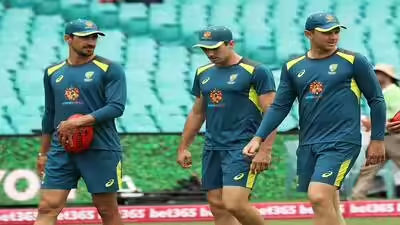
While uncertainty continues to surround the ODI futures of Rohit Sharma, Virat Kohli and Ravindra Jadeja ahead of the 2027 World Cup, Cricket Australia on Monday unveiled a completely contrasting roadmap for their ageing superstars.Australia have publicly backed veteran pace trio Pat Cummins, Mitchell Starc and Josh Hazlewood to lead their ODI World Cup title defence in South Africa, Zimbabwe and Namibia next year despite growing fitness concerns and an exhausting international schedule.In contrast, there are still no guarantees over whether India’s senior trio will remain part of the national setup by the time the tournament begins in October-November 2027. Rohit and Kohli have already retired from Tests and T20Is, leaving them as one-format players for India. While Kohli’s fitness and batting consistency continue to strengthen his case, Rohit’s recent fitness concerns during IPL 2026 have increased speculation around his long-term future in ODI cricket.Both have been picked for the upcoming ODI series against Afghanistan, although Rohit’s inclusion remains subject to fitness clearance.Jadeja’s future also appears uncertain after he was rested from both the Afghanistan ODI series and the one-off Test, further highlighting the transition phase Indian cricket could soon enter.
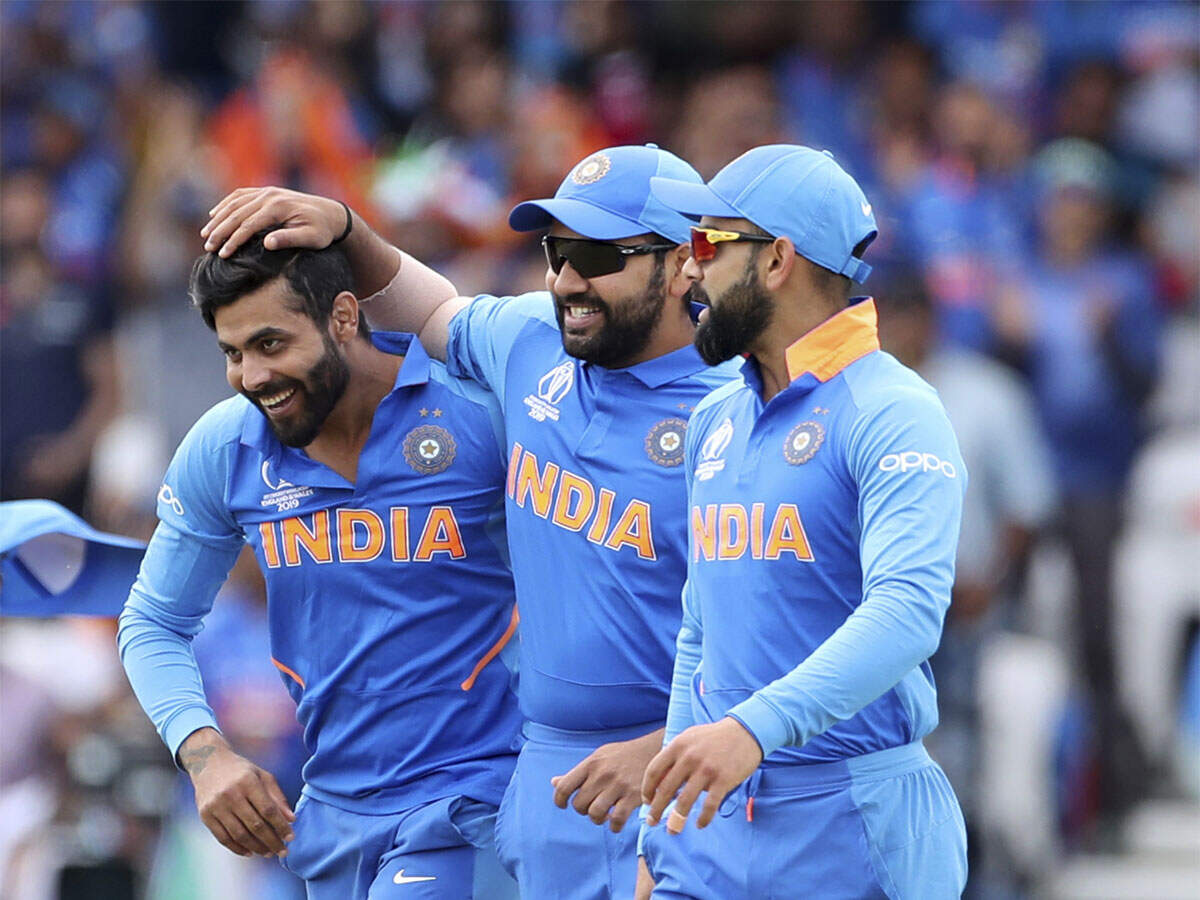
Ravindra Jadeja, Rohit Sharma and Virat Kohli (AP Photo)
Australia make their stance crystal clearInterestingly, while India continue to grapple with questions surrounding ageing stars, Cricket Australia have publicly thrown their weight behind their veteran pace trio of Pat Cummins, Mitchell Starc and Josh Hazlewood for the 2027 ODI World Cup title defence.Australia coach Andrew McDonald made it clear that the fast bowlers are not being rested from upcoming white-ball tours of Pakistan and Bangladesh by choice, but as part of a long-term fitness management strategy aimed at ensuring their availability for the World Cup.“We are planning for them to be there in 2027,” McDonald said while explaining Cricket Australia’s workload management plans.Australia’s challenge is equally daunting. Between August 2026 and the 2027 World Cup, they are scheduled to play as many as 20 Tests, including series against India, England, South Africa and New Zealand. By the time the World Cup arrives, Starc and Hazlewood will be approaching 38 and 37 respectively, while Cummins will be 34.Fitness remains the biggest concernFitness has already become a recurring concern for Australia’s pace attack. Hazlewood has struggled with hamstring and Achilles injuries over the last few years, Cummins recently battled a back stress injury, while Starc himself admitted carrying shoulder and elbow issues during the previous Australian summer.Yet Australia’s message has been remarkably clear — experience still matters in ICC events.India, meanwhile, appear to be entering a far more uncertain phase. The transition after the retirements from Tests and T20Is has already begun, but selectors now face the difficult balancing act of backing proven champions while simultaneously preparing the next generation for the future.The coming months, particularly the Afghanistan series and subsequent ODI assignments, could offer the clearest indication yet about whether Rohit, Kohli and Jadeja remain part of India’s roadmap towards the 2027 World Cup — or whether Indian cricket is slowly preparing for life after its golden generation.