

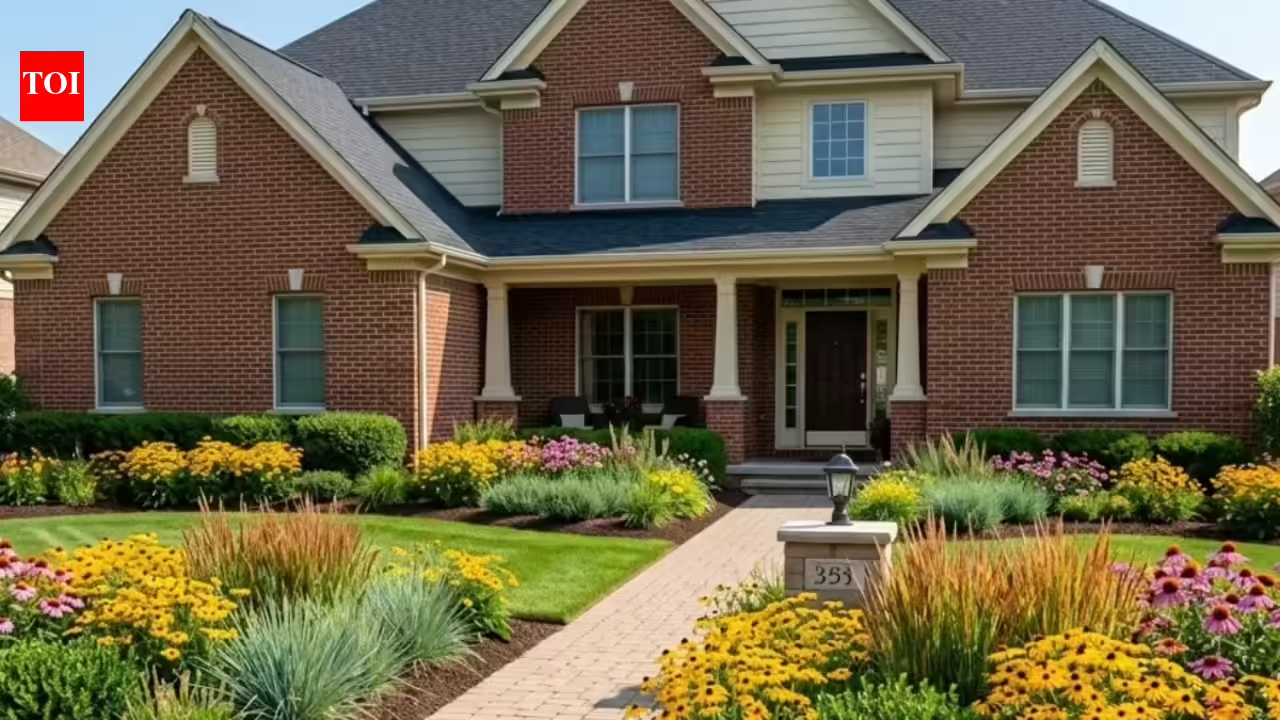
Native gardens have come to be linked with meadow-like landscaping and naturalistic landscapes. However, many native species can be structured, elegant, and thoughtfully planned while being bee-friendly and butterfly-friendly at the same time. According to landscape design experts, the trick lies in selecting plants with predictable forms, repeating them across the yard, and mixing flowers with bushes or evergreen form-makers.The University of Maryland Extension states that native planting designs will be successful in enhancing biodiversity without being out of place in suburban areas. According to the study, a structured native garden front yard doesn’t necessarily require several dozen plant species or look like a wild jungle. More often than not, a small number of selected plants will produce a cleaner-looking landscape than a hodgepodge of a flower bed.Why structured native planting succeedsThere is one common myth regarding native gardens – they should be wild and unstructured. However, what really makes or breaks a design is not the type of plants, but their arrangement. Grouped plants, neat borders, and shrubs for accents can easily turn any pollinator garden into a well-designed space.According to the University of Maryland Extension, native plants can add beauty, seasonal interest, and valuable habitat when incorporated properly into home landscapes. Simple texture and height combinations are ideal in small front-yard gardens. The best results usually occur in a garden featuring a simple combination of plants.Black-eyed Susan creates a vibrant summer structureIf you’re after easy-to-grow natives that create structure without overwhelming your yard, then black-eyed Susan might be the way to go. This plant features sturdy stems that grow straight up, along with yellow blooms that won’t make your garden look messy.The plant also attracts pollinators such as bees and butterflies. Due to its clumping habit, it’s perfect for adding it in small groups near paths or foundation beds.
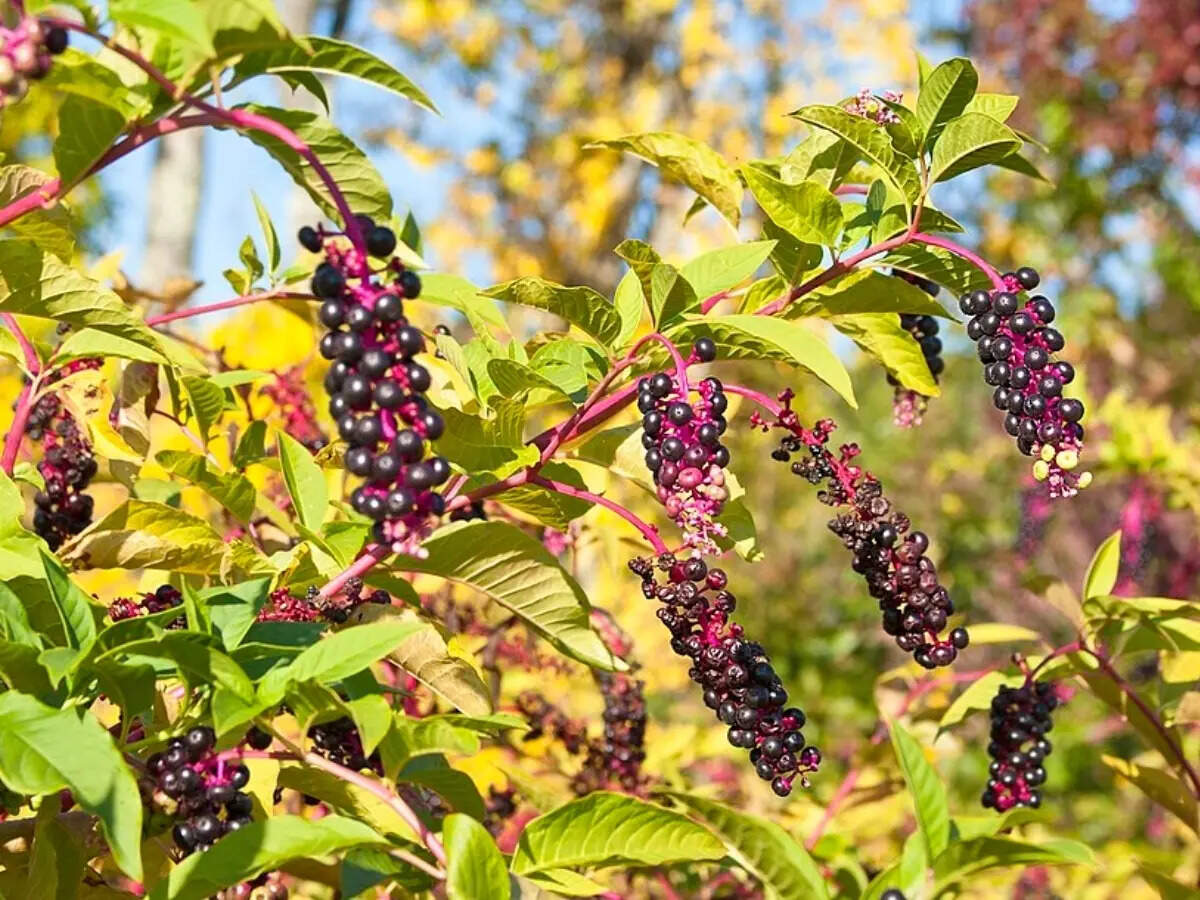
These native plants look tidy enough for the HOA, and bees still love them. Image credit – Wikimedia
Inkberry ensures your garden looks good throughout the yearFlowering plants need some evergreen background plants around them to keep your garden full and visually pleasing all year round. One excellent plant choice for that would be inkberry holly. This plant retains a tidy shape and makes an excellent low hedge or repeat accent plant in the garden. Unlike other shrubs, it doesn’t overpower smaller yards. Gardeners often team inkberry up with flowers that will provide a cleaner framework for the planting.Purple coneflower assists pollinators and keeps its formThe purple coneflower is favoured because it offers both long-lasting flowers and a compact structure. This plant attracts pollinators like bees, butterflies, and birds, and maintains its form better than many other, looser meadow varieties.It is also helpful for maintaining structure in the garden when temperatures start to rise.Little bluestem adds movement without appearing messyOrnamental grasses are very fast to go wild in the garden if they spread easily or flop over into walkways. There is a solution to this problem provided by little bluestem.Native plants with upright blue-green foliage that takes on copper and bronze hues toward the end of the growing season offer structure and movement without spreading too much. Clump plantings of little bluestem can also unify varied plants.Bee balm should be planted in controlled plantingsOne downside to bee balm is that it can appear very wild in a poorly planned-out garden bed. Controlled groupings help solve this problem. Growing mildew-resistant types will also ensure your foliage stays cleaner during humid months.Foamflower is perfect for small shade-filled areasIf you’re looking to fill your part-shade front yard, foamflower makes for a more elegant choice. This low-perennial plant will give you tidy mounds of foliage and beautiful spring blossoms, but won’t spread everywhere. It’s particularly good near paths and under shrubs where other plants might not fit.Switchgrass gives you vertical interestAnother great element of your garden would be a switchgrass plant. Its tall growth creates vertical interest and maintains an upright shape throughout the majority of its season.A native grass often incorporated into modern landscaping, switchgrass adds height to complement softer blooming plants. It also serves as bird seed when its seed heads mature.Repetition and minimalism win in front yardsMany pollinator gardens fall flat aesthetically because of a variety of non-complimentary plants competing for dominance. Professional landscapers recommend repeating a shorter list of native plants for front yards. Clear lines and edges, and evergreen accents will help make your garden look purposeful.What you end up with is an attractive garden with wildlife support. Native front yards do not have to look like a wild prairie. If done correctly, using the right plants and design elements, the front yard will appear well-manicured and inviting.