



Buying a diamond can feel a bit scary. Whether it’s for an engagement ring, a gift, or something you’ve saved up for, there’s always that tiny voice in your head saying: “What if this isn’t even real?”And that worry isn’t totally irrational. Fake diamonds and lookalikes are way more common than most people think. Some are obvious, but others can honestly fool even careful buyers at first glance.The good part? You don’t need fancy equipment or gem expert training to figure most of them out. A few simple, everyday checks can already tell you a lot.Let’s go step by step.
First things first: not everything shiny is a diamond
Before anything else, it helps to know this – there are plenty of stones that look like diamonds but aren’t.You’ll often come across:cubic zirconiamoissaniteeven plain glass in cheaper jewelleryThey can look pretty convincing under bright shop lights, especially when set in polished rings or pendants.But diamonds behave differently with light, heat, and pressure. That’s what helps us tell them apart.1. The fog test (quick and easy)This one is super simple.Just breathe on the stone like you’re fogging up a mirror.
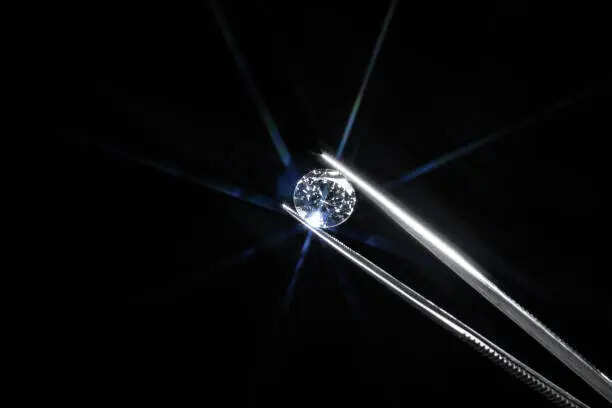
A real diamond clears up almost instantlyA fake one usually stays foggy for a few secondsIt’s not a lab-grade test, but it’s a quick way to get a first clue.2. Check how it sparkles (not just “shines”)Diamonds don’t just sparkle randomly—they have a very specific look.
A real diamond usually shows:
bright white flashesa little bit of rainbow reflection (but not too much)Here’s the tricky part—if the stone looks too rainbow-heavy or overly flashy, it could be fake. Stones like cubic zirconia often go a bit overboard with that “disco ball” effect.Real diamonds look more balanced and natural.3. The water test (simple but useful)Take a glass of water and drop the stone in.Real diamond → sinks quicklyMany fakes → float a bit or sink slowlyNot perfect science, but it’s a decent quick check if you’re unsure.4. Look at the jewellery settingThis is something people often miss.If someone is selling you a “diamond,” but it’s set in very cheap metal, that’s a red flag.
Real diamonds are usually found in:
goldplatinumgood-quality certified silverAlso pay attention to the finish:Are the edges neat or rough?Does it feel light and flimsy?Sometimes the ring tells the story better than the stone.5. The dot test (surprisingly handy)Place the stone on a piece of paper with a small dot on it.Now look through it.If you can clearly see the dot → might be fakeReal diamonds usually distort light so much that the dot is hard to see clearlyIt’s not perfect, but it’s a good “gut check.”6. Look for bubbles insideIf you can zoom in (even with a simple magnifying glass), check carefully.Real diamonds don’t have air bubblesIf you see tiny bubbles, it’s likely glass or synthetic materialNatural diamonds may have small internal flaws, but not round bubbles.7. Heat test (don’t try this at home)You might hear that diamonds can handle heat really well—and that’s true.But don’t try heating jewellery yourself. It can damage the setting and isn’t worth the risk.Just know this is why professionals use heat-based tools to test stones.8. “Too perfect” can be suspiciousThis is a weird but important one.
If a diamond looks:
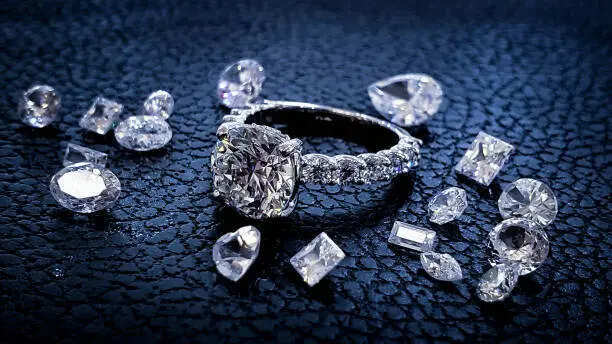
super flawlessunusually cheapand too good to be true…it probably is.Real diamonds often have tiny natural marks inside them (called inclusions). In fact, experts sometimes use those to confirm authenticity.
So a little imperfection isn’t a bad thing – it can actually be reassuring.9. Always ask for certificationThis is the safest way to avoid confusion.
A real diamond usually comes with certification from labs like GIA or IGI, which clearly mention:
cutclaritycaratcolourIf there’s no certificate, be extra cautious.10. When unsure, ask a jewellerThere’s nothing awkward about this. Even experienced buyers double-check sometimes.A jeweller can quickly test it using proper tools like:diamond testersmagnification lenseslight refraction devicesSometimes a 2-minute check can save you from a costly mistake.
A quick reality check
No single home test is 100% perfect. But if you combine a few, you usually get a pretty clear idea.For example:fog test + water test + sparkle check = strong hintadd certification = almost full confidenceFinal thoughtsSpotting a fake diamond isn’t about being an expert – it’s more about paying attention.If something feels off – too cheap, too flashy, or just not right – trust that instinct and double-check.Real diamonds usually come with proof, not just promises.And once you know these simple tricks, jewellery shopping suddenly feels a lot less stressful… and a lot more in your control.