

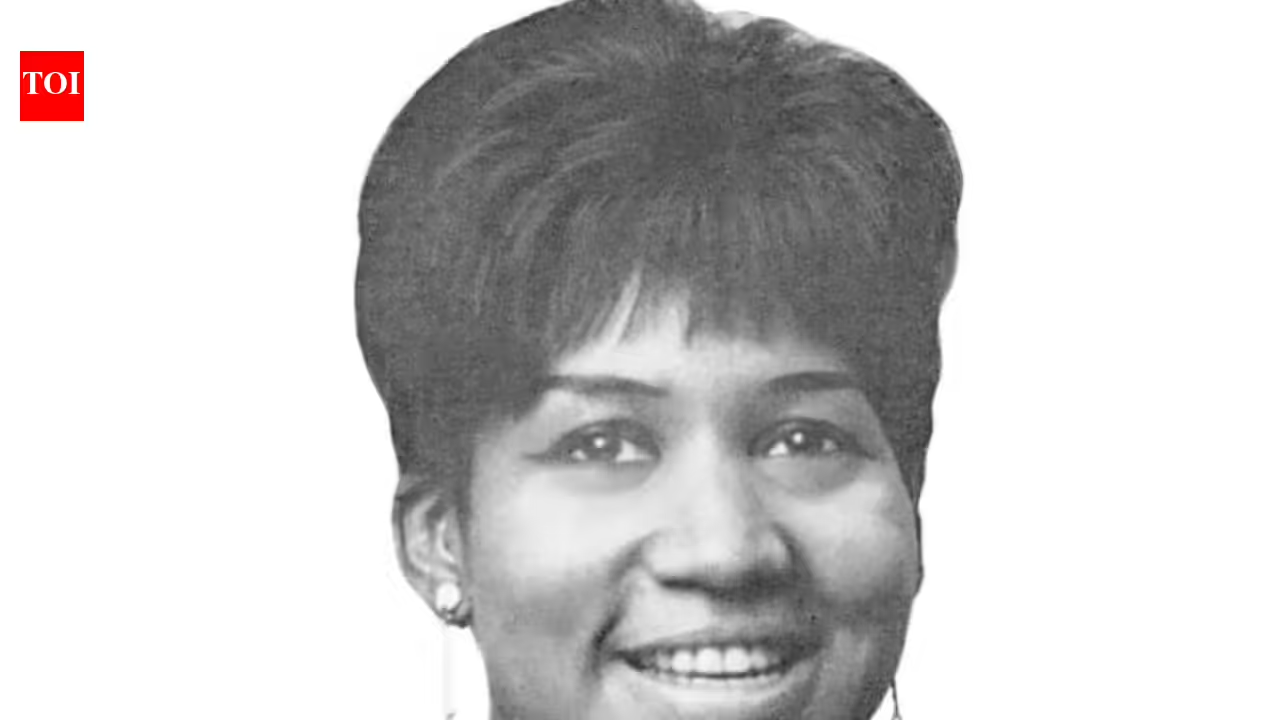
A song that defined a generation and became the greatest of all time for its take on the cultural revolution. “Respect,” recorded by Aretha Franklin in 1967, is considered to be one of the most influential songs in the history of American popular music. This track became one of the symbols of that time, representing two significant events – the Civil Rights Movement and the Women’s Rights Movement.According to Rolling Stone, the track “Respect” occupies the first position in the magazine’s list of “The 500 Greatest Songs of All Time”. According to the publication, it was an anthem that “redefined the possibilities of pop music.” In 1967, “Respect” entered the Billboard Hot 100 and the R&B charts.According to music historian and author of the book “A Change Is Gonna Come: Music, Race & Soul of the America”, Craig Werner, “Respect” turned into much more than a popular track. According to him, it became the voice of demands already growing throughout America.The original version of “Respect” was very different“Respect” by Otis Redding predates the hit version by Franklin. Released in 1965, Redding’s “Respect” was a ballad about a man demanding respect after getting back home from work. The track has an R&B Style and reflects the gendered outlook typical of the era.While “Respect” by Otis Redding enjoyed success, reaching number thirty-five on Billboard Hot 100, it did not have the social significance that the Franklin’s remake would acquire. As reported in the Rock and Roll Hall of Fame, Redding recognised the power of Franklin’s makeover, saying, “That girl stole that song from me.”Aretha Franklin gave new meaning to “Respect”There are several ways that Franklin revamped the classic hit. She changed the gender perspective by telling the story through the eyes of the woman. Furthermore, Franklin incorporated her unique version of the spelling of the word, adding the dash to emphasise it. She included backing vocals, saying “sock it to me,” sung by her sisters, Carolyn and Erma Franklin.As stated on the website of the Library of Congress, which included “Respect” into the National Recording Registry in 2002, the song is culturally, historically, and aesthetically significant. This organisation stressed the fact that it depicted changes taking place in the role of women.
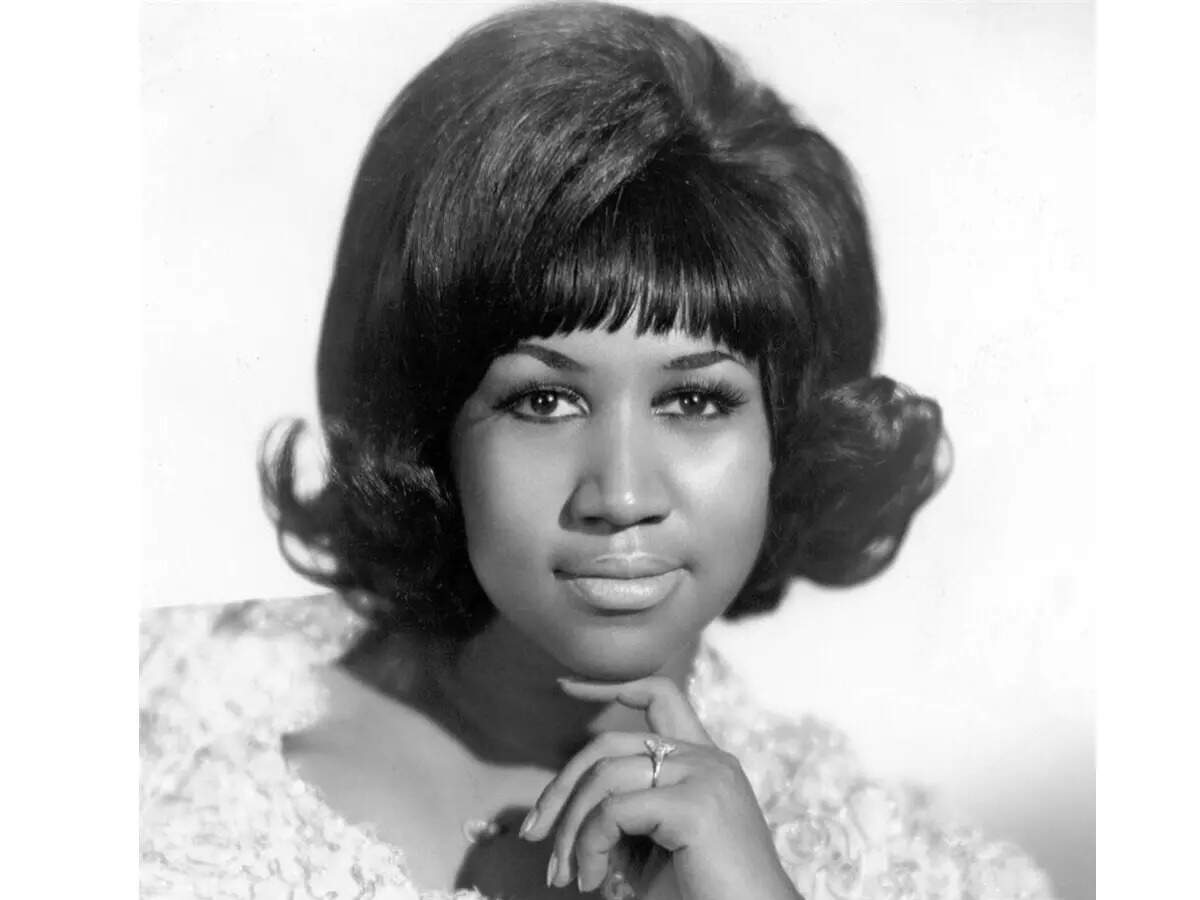
The surprising story behind the song ranked no. 1 in all-time American pop music. Image credit – Wikimedia
Cultural influence that has proved long-lastingIt did not take long for the song to become an anthem at various protests. “Respect” addressed the issue of women who faced discrimination both at work and at home. At the same time, it encouraged African Americans to struggle for equal rights.Several studies claim that musical pieces like “Respect” prompted people to discuss issues related to identity and rights in the 1960s. The scholars believe that it was due to music that information was transferred to a larger audience.The song was so successful that Franklin received two awards – a Grammy Award for Best Female R&B Vocal Performance in 1968. Eventually, it got into the Grammy Hall of Fame.Importance of “Respect” todayMore than half a century since its creation, “Respect” is more pertinent than ever. Its themes of self-respect and equal treatment resonate with newer generations of listeners. “Respect” has been featured in various movies and political campaigns, among others.Jon Pareles, music critic of The New York Times, once described Franklin’s ability to transform a personal desire for respect into a universal need as her greatest gift. This was the key factor that made “Respect” stand out from all the songs in its category.From being an ordinary rhythm and blues song, “Respect” has come a long way. Not only was it performed by Aretha Franklin, but it also redefined.