

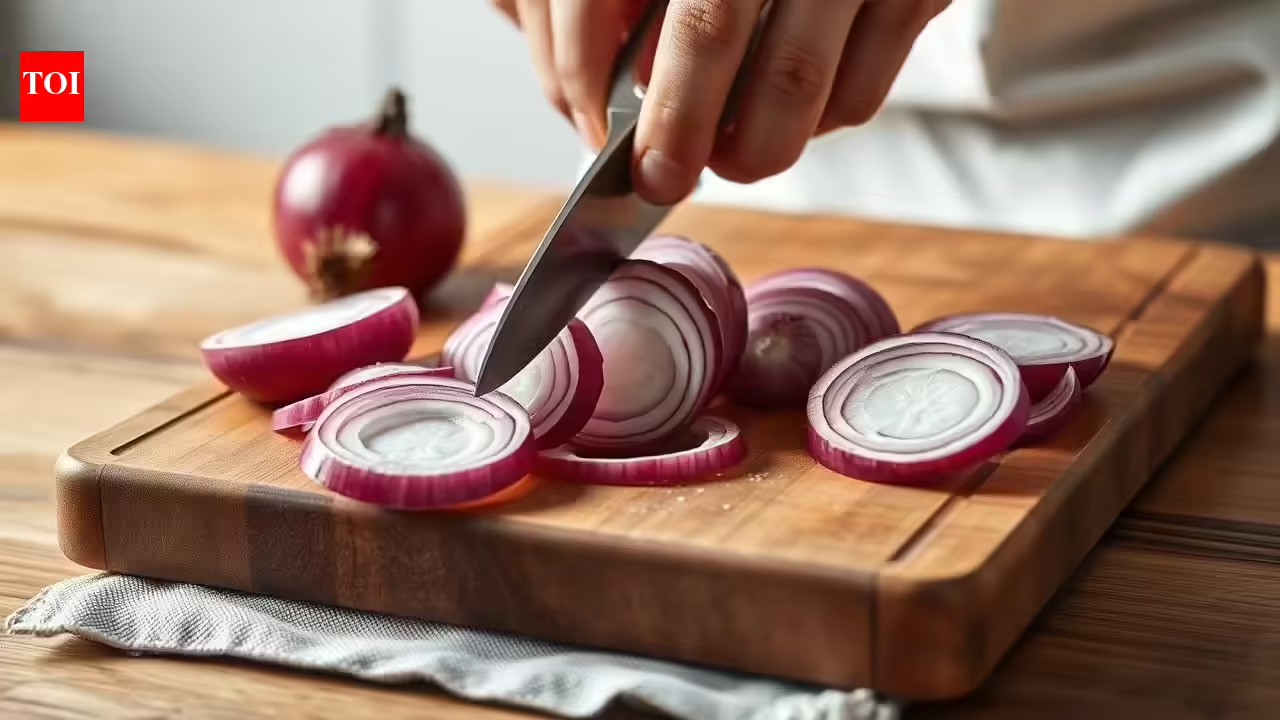
You’ve just cut yourself into a stack of onions to make a Sunday evening curry, and before you know it, your cutting board shifts toward the edge of your countertop. An excruciatingly brief moment, one every chef at home can relate to very clearly. We invest in high-quality stainless steel knives, buy our produce from the organic section, yet never consider the single most dangerous element of cooking in the kitchen – an unsteady cooking space. Here’s the twist: the solution to this problem is not found in any pricey store.And while this simple method of securing an anchor under a cutting board may seem rather simplistic, it is a basic dampened kitchen towel. This ingenious technique ensures that your board remains firmly planted in place during any type of food preparation process. And for good reason – its effectiveness lies in the science behind the laws of physics.Friction and surface tensionThe ability of a wet cloth to secure a cutting board is based on its interaction with various surfaces. The friction between a dry wooden or plastic board and a highly polished kitchen surface is practically nonexistent. However, the friction between the wet cloth and these two surfaces is significantly increased because of the ability of water to form surface tension between these two surfaces.Not only does it ensure the avoidance of slippages, but it also addresses the problem of the special difficulties that different surfaces have. To give an example, in the study Evaluation of different types of vegetable chopping boards, the effect of surface texture and porosity on the functionality of boards is discussed. Wooden chopping boards are indeed visually appealing, but if they sit in a pool of water on the counter, they may be deformed. Just the presence of a damp towel will prevent the board from deforming.
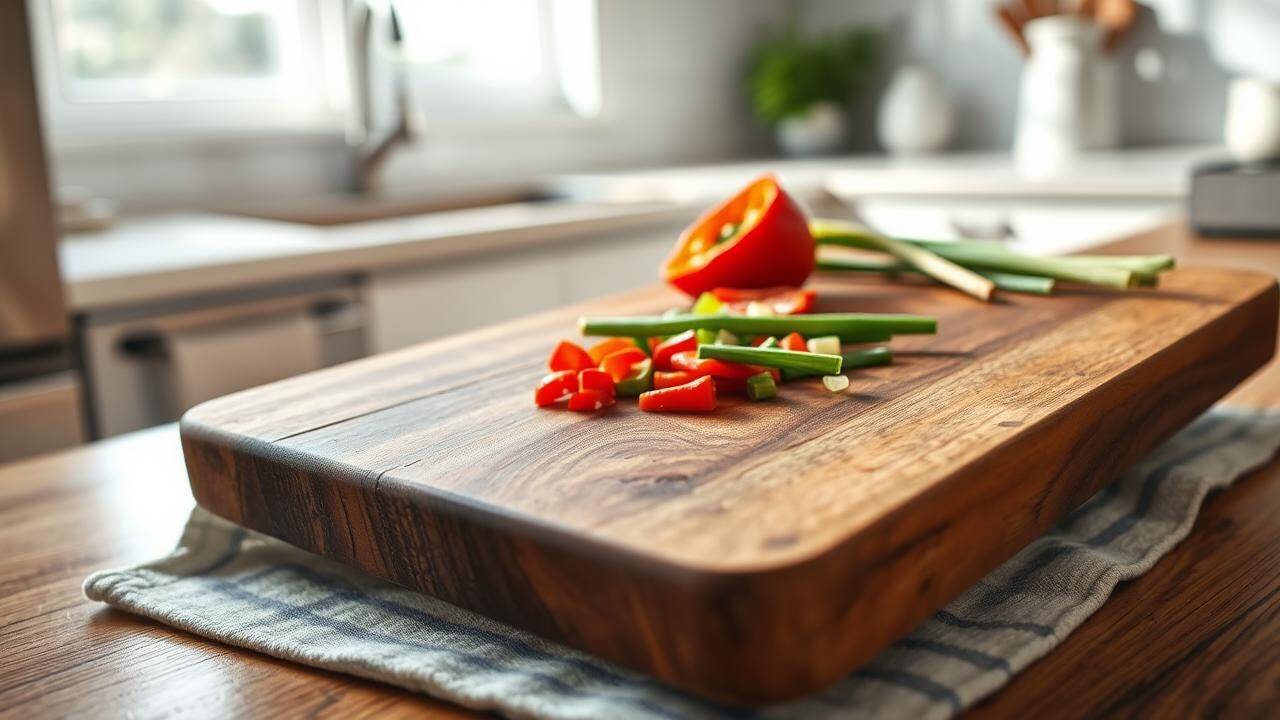
The technique is effective for both wooden and plastic boards, offering a cost-effective and scientifically-backed solution to a common kitchen hazard.
An especially noteworthy feature is the stability of this method, which is once again confirmed by the research synthesis Food Safety in Home Kitchens. It emphasises that a firmly fixed board is crucial for preventing cross-contamination since any shift may cause food debris to fall onto some dirty areas of the countertop or the knife blade to accidentally stab other ingredients. Therefore, when operating with a firmly fixed board, movements will be precise, contributing to maintaining high levels of hygiene in the kitchen.Hygiene, maintenance, and long-term careSelecting either wood or plastic boards remains a controversial issue within the cooking sphere, and yet, in both cases, a damp towel would serve as the most appropriate anchor. The advantage of wood is associated with its inherent ability to inhibit the growth of pathogenic bacteria, though, due to its porous nature, wood may absorb liquid and bacteria. As proven by the study Microbial Safety of Wood in Contact with Food, wood may accumulate bacteria; however, owing to its property of absorbing liquids, these microorganisms die while the wood is being dried. Hence, using a damp rather than dripping towel is advised to prevent damage to the board.The advantage of plastic cutting boards is that they can be put directly into the dishwasher for washing. However, they usually have a smooth bottom that allows them to move faster than wooden cutting boards. Therefore, the usage of a damp towel becomes almost necessary. This addition provides some extra weight to the cutting board, making it less likely to slip during intense work.To prepare this trick in advance, it is required to use a thin kitchen towel or bind several sheets of paper towels to make one big sheet. It should be briefly washed in cold water and squeezed to become slightly moist. Next, lay it out on a kitchen countertop, place the cutting board on top, and gently push it.There are permanent solutions, such as silicone mats or boards with rubber legs, but the towel is here to stay because of its simplicity and effectiveness. It doesn’t cost anything and is there when needed, and although it seems to come straight from our grandparents, science confirms that it works just fine. Those ten seconds spent making sure your board will stay where you want it make the cooking process safer, faster, and even more professional.